In this episode of The Personal Finance Podcast, we’re going to talk to Nick Loper about how to start a side hustle.

Podcast




In this episode of The Personal Finance Podcast, we’re going to talk to Nick Loper about how to start a side hustle.
In this episode of The Personal Finance Podcast, we’re going to talk to Nick Loper about how to start a side hustle.
Join Our Newsletter here!
Connect with Nick!
The Side Hustle Show - Nicks Podcast
Sponsors:
Checklist of relevant episodes:
FREE GUIDES:
==============
-Check out the free guide on where to put your money in what order!
https://www.mastermoney.co/stairway-to-wealth
-Here is the free How to Ask for A Raise ebook!
https://www.mastermoney.co/get-a-raise-ebook
-Get Access to the 75-Day Challenge: https://www.mastermoney.co/75daychallenge
=============
We have a YOUTUBE channel! Check it out here!
Our Latest Videos:
How To Grow A Podcast Organically
What Would Happen If You Maxed Out Your Roth IRA By Age?! (These Results Will Amaze You!)
How to Become a Millionaire With a Small Amount of Money (Is it Really This Easy!?)
Pre-tax moves for high earners
Got questions? Ask me on Instagram Here. @mastermoneyco This is the fastest way to get in touch with me.
Want to Support the Show? Follow on Spotify or Follow and Leave a 5-Star Review on Apple Podcasts!
============
Check out all the Stuff I Recommend!
Check out all my favorite Credit Cards https://milevalue.com/top-offers-mastermoney/
USEFUL RESOURCES:
============
DISCLAIMER: I am not a financial adviser. This Podcast is for educational purposes only. Investing of any kind involves risk. While it is possible to minimize risk, your investments are solely your responsibility. It is imperative that you conduct your own research. I am sharing my opinion.
AFFILIATE DISCLOSURE: Some of the links on this channel are affiliate links, meaning, at NO additional cost to you, I may earn a commission if you click through and make a purchase and/or subscribe. However, this does not impact my opinion.
============
Check us out on social fam!
www.thepersonalfinancepodcast.com
Learn more about your ad choices. Visit megaphone.fm/adchoices
Learn more about your ad choices. Visit megaphone.fm/adchoices
Transcript:
On this episode of the Personal Finance Podcast, we're going to talk to Nick Loper about how to start a side hustle.
What's up, everybody? And welcome to the personal Finance podcast. I'm your host, Andrew, founder of Master money.co. And today on the personal finance podcast, we're going to be talking to Nick Loper about how to start a side hustle. If you guys have any questions, make sure you hit us up on Instagram or TikTok at Master Money Co and follow us on Spotify, Apple podcast or whatever podcast player.
You love listening to this podcast. And if you want to help out the show, leave a five star rating and review on Apple podcast. So today we're talking to Nick, who is the host of the Side Hustle Show. And the Side Hustle Show is one of my favorite podcast because I've learned so many different side hustle ideas just from listening to that show.
And today in this episode, we're going to walk through the process of how you should think about side hustles, what side hustles you should maybe start. Should you start a side hustle based on your skills? Should it be on your passion? How should you actually think through that process? We're going to talk about the four types of passive income as well.
In addition, we're going to dive deeper into ways to maybe take your side hustle to your full time job. So I'm so incredibly excited to share this episode with you. And Nick's show is absolutely one that you should listen to if you're looking to start a side hustle for yourself. So make sure you tune into this episode.
Let's welcome Nick to the personal finance podcast. So, Nick, welcome to the Personal Finance podcast. Thanks for having me man, happy to be here. We are so excited to have you here because I have learned so much from you and your show about so many different side hustles and I have gotten so many different side hustle ideas that I've tried.
Some of them failed, but some of them actually worked and we could talk through some of those today as well. But before we jump into all of the stuff about side hustles, I want to kind of go back and talk about your story as well because you have a very interesting online journey that you went through. So can you talk about yourself and your online journey?
Yeah, it's almost decades in the making at this point. It'll definitely date me because my original side hustle was a comparison shopping site for footwear. Started in like O4O5O6, like in it's very fledgling stages, started with like without even a website, just like direct link affiliate ads.
You know, it was a different era. And back in those days, you know, people would start their product search on Google instead of on Amazon. And so there was, you know, the price grabbers and next tags and shopping dot coms of the world where you go to find the best price on whatever it was you were looking for.
And so my idea was like, well, let me do this like just for shoes. And so we pulled in all the footwear catalogs and add in all of the product level coupon integration. You're like, well, it says it's this price, but with this deal that we found, it's really this price and adding on the tax and shipping and it was really fun project, really fun business.
That was the thing that was, you know, three years of nights and weekends while I was working corporate straight out of school that let me quit my job and retire at 25, become a full time online business owner and lots of ups and downs since then. We've given to some of the other projects that went on after that.
Absolutely. That's one of the coolest starts, I think, because I think you even said early on, I've heard you say that you weren't even a sneaker head or anything like that. You're just kind of interested in starting that business and then you went on to start some other things as well. So tell us about some of the other projects that you did, like the virtual assistant business for example, and then how you got the Side Hustle Nation now?
Yeah, you bet. So on the side from the shoe business started probably half a dozen projects or more, most of which, for the sake of disclosure, you died a quiet death in some corner of the Internet. Like just never went anywhere, didn't have any expertise or passion about running them. Like it didn't take off. One of those side projects that I started to build was a like a wine related affiliate site.
I know nothing about wine. I don't care about wine other than occasionally have a glass. It just had no reason to exist. In the research for that site, I came across another site that was reviewing wine clubs and I thought, well, that's an interesting niche. Like now being on the inside, knowing the commissions on some of these like wine clubs, what they're paying for new members to come and sign up.
It's like, well, that's really interesting. What other niche could I pivot that model to and ended up settling on this virtual assistant review platform and directory? That's called virtual assistant, started in 2011 and sold it in 2020. And it was really fun to be, you know, kind of have an inside seat to this industry as it was really starting to grow and take off.
But started from my own pain points and questions of like, well, I want to hire help in my own business. I don't necessarily I guess I could go post that at the local Community College, but I don't really want somebody coming over and sitting in my kitchen table table like, you know, so then you look at all these overseas companies like well, which ones are legit? Are they going to steal my idea?
How does it work? How does it work with taxes, all the stuff and trying to put together the crowd sourced, you know, consensus, the crowd sourced user reviews for all these different outfits. So that was 120 eleven that actually did pretty well. And then in 2013, on the side from the shoe business started, you know, rebranding, I guess my personal blog that had been running for years to Side Hustle Nation.
And then, you know, turn on the podcast mic, you know, is anybody going to listen to this thing around that same time? And to my surprise, the podcast took off quite a bit faster than the written content. And so it was like, that's kind of what I became known for in subsequent years was through the Side Hustle show.
Absolutely. I remember, you know, sitting in a cubicle when I was working in the corporate world listening to your show. I'm like, I got to figure out a way to actually get out of this cubicle so I can find some sort of business that will actually work. So I tried a bunch of different options that I heard on your show and remember kind of going through that process and I was the same way where a bunch of them would fail.
A bunch of them are in the corner of the Internet now. They're still standing, probably somewhere around there. But I tried a bunch of different things and some worked and then some didn't. So I that's what I absolutely love. I think with side hustles, you have to try things to actually find the thing that's actually going to work. And a lot of people I think will fail and maybe quit. But a lot of times you just got to keep trying a bunch of different things before you actually get to that point.
And one of the biggest buzzwords right now, especially if you search YouTube or the Internet, is passive income. And you have a great list of the four types of passive income, and I would love to break those down. So can you explain the four types of passive income and maybe give an example of each? Yeah. And we'll maybe we'll get your take on this too if you know, is there such thing as passive income because it is such a buzzword.
But the way maybe the more accurate way to look at it is time leveraged income, especially from the standpoint of entrepreneurship and business ownership. It's like how can I decouple my earning power from the time that it takes to earn that? And that's, I think ultimately what we're all after.
There's the Warren Buffett line of, you know, if you don't find a way to make money in your sleep, you're going to work until you're dead. And that kind of hits home. Like I think all of us would like to get to that point eventually. So you kind of imagine your income picture as a pie chart and it's probably 100% active income for most people earlier in their careers.
And then you maybe have, you know, a little sliver of dividends that start to come in or maybe you buy a rental property and you know, it's start, but like if you ever want to retire, like it's got to be 100%, you know, passive or time leveraged income. So the way that I look at it through the lens of these four different types of passive income, the first one is the one that we're probably all familiar with this is going out and buying a cash flowing assets, be it a rental house, be it a dividend paying stock.
Absolutely viable option probably is, you know, it takes money to make money. And it's like, well, that's cool. If I had $1,000,000, sure, I could build this, you know, dividend portfolio or, you know, go out and, and I guess the advantage of real estate being leveraged where, OK, I could buy, you know what, $5,000,000 worth of property with that $1,000,000 nest egg, you know, whatever.
And it scales down. Second one, and this is where I've spent the bulk of my career is in building cash flowing assets, websites, digital products, self published books, kind of these things that you can create once. And yeah, there's some support port element to it, but like it's a little digital minion almost even like a YouTube video like that gets views months and years down the road.
It's like this little mini digital asset that produces views, produces cash flow, drives people back to your, you know, larger brand or ecosystem. So I spent a lot of time in that arena, this idea of building cash flowing assets. The third one is a newer 1 to me, and this is like renting or selling, you know, shares of these cash flowing assets.
And like we had a guy on the show who built a portable hot tub rental business, which was like, oh, you know, we're talking about real estate. That's kind of what I thought of as a traditional rental business. Oh, you go buy a, you know, 3 bedroom, 2 bath house in a decent part of town and like, you know, you're off to the races.
Like, oh, the math pencils out a little bit differently on some of these, you know, unconventional rental assets. So you've seen people renting out their garage or their shed in the backyard through platforms like neighbor or their side yard. Hey, you can come park my RV at your place. At my place, the hot tub guy, we had a guy recently who was doing car sharing on turo.com.
So that's kind of like the idea of, OK, what do I own or what can I control that other people would pay to, you know, have access to or rent out for a short period of time. And then the final type of passive income, I think is probably familiar to a lot of people in the personal finance space, in the financial independence space.
And that's what I call reverse passive income. And this is cutting your ongoing monthly expenses just to add that straight back to your bottom line. And you can play the substitution game of like, well, I was using insurance provider X and now I'm using insurance provider Y and I'm going to net that 50 bucks a month savings, hopefully in perpetuity.
And it adds, that type of game can add up to some pretty significant savings over time. And I love this because I could think of it in a way where you can figure out which one of these can I do right now. Well, some of these, for example, the reverse passive income, you could do probably right away. You could find ways to cut back a little bit. You probably own a car or you probably own something that you can rent out.
There's so many different websites, I've even seen them where you can rent out your swimming pool if you have a swimming pool for parties and things like that. And then you go to, OK, well, what can I build? Maybe it's around interest and hobbies. We'll talk about this in a second, or maybe it's around my skills where I can build products online. And then the cash flowing assets are stuff that we talk about in this podcast all the time.
There's so many different things that you can invest in from, you know, real estate to index funds to all those other things. And I agree with you. I think passive income is one of those things. It's a buzzword to say and sometimes you have to do work for it and sometimes you don't. For example, like an index fund, you don't have to do as much work for as you would for something like building out a product, but you do that work upfront and then that product is available and you can kind of build it out that way.
So I absolutely love that. And I love thinking through that process before you actually decide what side hustle you want to do or how many of them you want to do because you can stack them on top of each other that way. And I've heard you talk through some amazing frameworks on how to actually think through what side hustle you want to do.
Some of them are like the pain points, the sniper method, and then the RIP pivot and jam method. So can you talk about some of these frameworks and how someone can start building side hustle ideas? Absolutely. Yeah, this is a fun topic. Like, you know, mommy, where did business ideas come from? This is a ton of fun.
And I remember having my first taste of like that, you know, so-called passive income. I was working on a Habitat for Humanity building project in Costa Rica, like right out of college. It was logging on to the Internet Cafe like on the way back home to my home state place and like saying like somebody bought shoes on the Internet.
You know, it's like I was not online all day and, you know, somebody bought my thing. But let's talk about. So like the RIP pivot in jam we talked about in the context of the virtual assistant business, like I saw this wine club review site and it's like, OK, can I pivot that?
Can I RIP off their basic idea, pivot that to a new niche, a new angle in some way? And then jam. Jam is go do the work. And this comes from the guys at the Tropical NBA Podcast, one of the shows that got me hooked on podcasts as a listener and kind of inspired me to turn on the mic and start hosting early, you know, almost 10 years ago.
So those guys came up with that RIP pivot in GM framework. So you see a business that you like trying, like, OK, how can I pivot it to a new market? Just a new angle sometimes. We had Justin Tan on the podcast recently. I just recorded with him last week. And so he started a service called Video Husky Unlimited video editing within these, you know, guidelines for a flat monthly fee.
Inspired by Russ Perry, who started Design Pickle, unlimited graphic design for a flat monthly fee. He's like, well, you know, video editing is a little bit higher touch, higher skill, like, OK, we're going to price it a little bit higher. But taking that idea, pivoting it to a different model and then going to town with it.
We've seen other people do this with copywriting, with, you know, WordPress support services, with, you know, all sorts of different business models. The sniper method is to look at a large business and figure out, well, I don't necessarily like, especially if I'm looking at it from a lifestyle standpoint, like I don't necessarily need to be Amazon, but could I snipe a small portion of their business?
And that's what this shoe business was in a lot of ways. Like here's what price Grabber's doing. Like could I dominate this one little niche of like, they're trying to be everything to everyone in comparison shopping? Like, could I do it just for footwear? And so thinking of you know how you might do that? Like we had a guy on the show who was looking at Amazon, for example, and saying, well, I'm going to sell Just Dance clothing.
It was like a super random niche. Like maybe his mom was involved with, I don't remember. But he was like, OK, I can really focus on this one area and try and dominate that and try and build a name for myself rather than trying to be everything to everyone. That's perfect. And I love thinking through those frameworks because it's just a way where you can start to develop ideas.
So if you think of the four different passive income ideas and then you kind of combine it with some of these frameworks that you can really come out with a ton of different ideas. And I think even thinking through some of these, you can figure out what the pain points are for people underneath some of the issues that they go through. And I think you can really find so many different side hustle ideas because that's one of the biggest questions I get when I talk about you really need to start a side hustle if you want to increase your income, in addition to obviously increasing your income at your day job.
But a lot of people can't figure out exactly what side hustle they should do. And the more creative that you can get with this, the better off you'll be. And you have so many ideas on your site and on your show that people really should be listening through because there's so many different ways to make money and it's abundant and there's so many different things that you can do.
So I absolutely love like all the ideas that you provide on the show as well. So when people are starting to think through these processes, do you think they should choose a side hustle based on their passion? Or would it be better to figure out what your skills are and then develop a side hustle around that?
Well, I don't know your take on this, but for me, passion is kind of a stressful question in some ways. Like, well, what are you passionate about? It's like, I don't know, like I'm interested in skiing and travelling and hanging out with the kids and like, but are any of those things like my undying passion?
I don't know. It puts a lot of stress on the equation. And we've talked to some guests who are like, oh, I was super passionate about music. So I started a music side hustle and then my passion became my job and it took the passion away and it sucked. And So what we found, and there's some research from I think Dan Pink and Cal Newport to kind of back this up, is that passion tends to follow doing the work.
So if you are in that position of like, I don't really know what I'm passionate about or I'm passionate about something that doesn't have a clear connection to revenue or business model, like don't stress out too much about that because passion tends to follow doing the work. I mean, I found this to be true in podcasting. Had no passion for podcasting when I first started.
It would have been impossible to like, I have no idea what I was doing. Like, you know, but it becomes part of your idea, community becomes part of your passion over the years. Same thing with painting houses in college. Like it's probably a hard business to be passionate about, especially if you've never done it before. But after the course of doing it for 2 summers, you can't walk by any neighborhood without looking up under the eaves and say like, oh, get up there, scrape that.
I got to come back, give these guys an estimate. And just like it becomes, you know, just part of what you do. So instead, you might look at this pain point framework or, you know, you take inventory of your skills, kind of like we're talking about. And the common advice is, you know, the illusive Venn diagram, you know, with your skills here and your interests and hobbies here.
And then like what you can get paid to do down here. And like this magical intersection in the middle, it's like, well, that's your perfect side hustle idea, right? That's go there, but for a lot of people, and you know, probably myself included, it's like skills and interests, like way off in the corner, hobbies over here, you know what and what you've been paid to do in the past.
Like there's no overlap. I just I'm shooting in the dark here. And so instead what you might do is this, what sucks exercise and this is, you know, try to find pains and problems like if you can be a problem solver, that's where the money is. So much easier to sell pain pills than it is to sell vitamins.
A friend of mine at a conference a long time ago got up on stage. He's like, people are only ever online for one of two reasons, to solve a problem. That's Google, to be entertained, that's Facebook, social media, right? And it's like on the problem solving side, I think it's so much easier to get started just because on the entertainment side, you're up against ESPN and HBO and like all these, you know, really well funded brands, Disney plus, like big in the entertainment space and so on.
The problem solving side, that's where I start. How it works is you have a notes app on your phone. You have to put on your kind of like pessimist hat for a week or two of doing this. And I just need you to write down everything that sucks, everything that bothers you, everything that your spouse or partner is complaining to you about, everything that your friends and neighbors are kind of griping about.
What are your Co workers like? Just you start to notice this stuff and you start to say like, OK, on the other side of those pains and problems, maybe there's a business solution. We had somebody post in the Scidisolation Facebook group like I started a laundry service.
It was like, you know, for some people doing the laundry is a huge pain. She's taking that pain away. I was like, Dang, you know, wait, good for you to take action on that. You know, maybe the pain is The Dirty house. And so the solution often takes, you know, one of three forms, like 3 common business models that just about every business in the world, some in some way, shape or form like falls under selling a product, selling a service or creating content like kind of an audience based business.
And if you take the pain of a dirty house and I kind of look around in my room and like, I guess I can check that box for like having a dirty house. It's like there are businesses providing the product solution to that. Like the, I could go buy a new Swiffer mop or like a, you know, Roomba vacuum or something. There are service based businesses.
I could go hire a cleaning service. And then there's a bunch of content creators in this space too, like how to declutter your home. I go watch these videos on YouTube. I could go watch, you know, organizing related content on social media and stuff like that. That's kind of how I think about that pain point angle for coming up with some new business idea to tackle.
It doesn't have to be revolutionary either. It could just be, you know, I'm going to throw my hat in the ring and say if somebody else has already done it, like, cool, they've already validated it for me. I could not agree more. And I think on that pain point subject, just to state that it doesn't have to be revolutionary. You had somebody on at one point in time who their side hustle was that they picked up dog poop in people's backyards.
And I remember they would go through that process and it's just a pain point. People do not want to do that, obviously. So she would come by, I think it was once a week and every single week, and she was making $100,000 a year or more, 6 figures doing that every single year. And I think that's just one of the examples where you can kind of think through what do people hate doing?
What are some of these things? A laundry example is a great 1. And I absolutely hate doing laundry. And how can you go through that process and actually solve that problem for them? And you can also think bigger on this too. These are small examples, but you can think bigger. What are the larger pain points? I mean, that's what a lot of these successful businesses do. A lot of start-ups do the same thing.
What is a problem I want to solve and how do I solve it? And if they can solve that problem, you can make millions of dollars just by doing that. So I absolutely love that thought process as well. Yeah, it could be online. It could be offline. In an online example just recently on the podcast was Andrew Feibert runs a site called giftlab.co, just helps people come up with gift ideas, affiliate based business, long listicles on really kind of long tail search terms.
So gets traffic like what are the best gifts for people who love dolphins? What are the best gifts for the first day of school? What are the gifts for dog moms and just kind of curating these lists affiliate link, affiliate link, affiliate link, really simple business model but does really well in Google SEO, Amazon traffic.
Exactly, And that's just one of the biggest pain. I mean, every single Christmas I'm still thinking through like Christmas is coming now. So I go through the process of what do I get certain people, you know, brother-in-law, sister-in-law, whatever it is, what do I get these folks? And that's just a great pain point as well, just to kind of solve that problem. So thinking through that, what problems can you solve from a small level to a large level?
And then kind of building a business around that is absolutely amazing. And the thing I love about side hustle is that it's low risk entrepreneurship. So you can kind of dip your toes in the water before you have to go all in. And obviously for most people, you need to keep your day job until it's profitable enough. So maintaining that side hustle is a low risk entrepreneurship endeavor.
So what are some easy side hustles for people to get started with? Oh, man, on the very early stages of your business, we see a lot of people like dabbling in product flipping, maybe even just like decluttering from your garage, from your attic, The stuff, hey, the kids have outgrown it.
Hey, I don't use this anymore. And so we see a lot of people kind of like, oh, that was pretty rewarding. Like we sold last quarter like probably 700 bucks worth of stuff from the garage, like bikes that the kids had outgrown. Like, you know, stuff as we were kind of making certain upgrades ourselves, like, OK, well, let's get rid of the other one.
So that's a low risk thing to start to like with whatever level of investment that you're comfortable with. You go out to the garage sales, flea markets and stuff near you. And we met people who make this their full time business and like, you know, sometimes they specialize in random niches like, oh, I flip sleep number beds or I flip the car seats from Sprinter van conversions or like just you never know.
But once you get out there, you start building relationships, see what kind of inventory you can source. It's an interesting way to go. The other really low barrier to entry type of side hustle is this freelance consulting, like service based business. If you have some expertise from your day job, could you serve a different client on a freelancer consulting basis?
And then even local services, I think there's a huge opportunity in that space for the pooper scooper type of operation, for the window washers, the pressure cleaners, the better cleaning even like home cleaning episode coming up on like a commercial cleaning operation, just like had you ever done commercial cleaning before?
Well, you know, my husband used to work as a janitor part time, but other than that, not really like all right now they got other people going out and doing the thing for them. So they're kind of removing their time from the equation. So that's really exciting. And then of course, like it depends on your goals too. If all you're looking for is an extra 255 hundred bucks, 1000 bucks a month, like there's lots of plug and play side hustle apps out there.
The Doordashes, the Instacarts of the world, the, you know, rover.com pet sitters of the world like that allow you to tap into this pre-existing marketplace relatively quick and easy to get up and running, low barrier to entry, low start up costs and kind of be off to the races. I love that as well because I think one of my favorite ways to start is what you mentioned briefly there is flipping items and we've had Ryan Pineda on this podcast and he started off before he has his real estate empire now.
He started off just flipping couches and he was making $8000 a month by buying couches on Craigslist, cleaning him off, and then flipping him every single month. He'd be doing that. So he knew what couches to buy and actually go through the whole process. So it was really interesting to see that, but another way that I started flipping items very early on was doing retail arbitrage and doing Amazon FBA and kind of going through that whole process.
And I know you've dabbled in that a little bit as well. Can you talk about what retail arbitrage is and and maybe some of your experience with doing that? Yeah, Central Florida is like, you know, the flipper hotspot. I don't know. You guys are all about it down there. It's funny. Yeah. So retail arbitrage is buying low from one platform or one store and reselling at a higher price.
Usually on Amazon and how it works in practice is you download the Amazon seller app. If you're just dabbling just starting out like they'll let you have a free Amazon seller account. The professional level I think is 40 bucks a month if you get more serious about it. But going out, looking at the clearance aisle, looking at, I would do this at the end caps of Home Depot and Walmart and you know, had to actually before they went out of business.
Babies-R-Us was like a kind of a mini goldmine for me. It's like, okay, you know, go over here. And it was kind of like, I'm going here anyways. I got a newborn, like, okay, stick the kid in the cart and go over here. It's been a little bit more difficult on Amazon as they've kind of gated more categories, but there's still opportunities in that space.
It was really eye opening for me, like in the era of big data and machine learning, like why are they just doing this or why aren't their employees just doing this? And it's like, I had to go out and kind of prove it to myself in the aisles. It's a little bit of a needle in the haystack search, but if you're out running errands at these places anyways, it's definitely an easy process to kind of add to your, you know, routine as you work your way through the store.
Exactly. And I think some of the stuff that a lot of people do, they go to clearance aisles, obviously start flipping items there. But now I've seen people who do it at scale, but they do it online and you can do online arbitrage as well and try to find low price alerts. And if you're a technical savvy, maybe you can even, you know, develop some sort of program to actually go and find some of those low prices as well.
But I think it's a really interesting way to get started because you can flip items right away. And I did stuff, everything for my member when I would send books in, for example, they would sell out in a day every single time. I mean, if you can find the right books with getting the little scanner and all that kind of stuff. And then we would do holiday stuff as well. So a lot of times when holidays would come up, like during Valentine's Day, for example, we would get all the Valentine's Day chocolates, the specific ones that are hard to get, like these red velvet chocolates.
I remember getting these and they sold out in literally 15 seconds. Wow. And I remember like this is like magic, but I know they gate a lot more things now than they used to, but it's still a way where you can actually get started to make more money. And like just for example, that chocolate example, we would buy them for 5 bucks, I think it was like 2 for 5 bucks or something like that.
And they would sell for $20 on Amazon. And you can kind of flip items like that, which was incredible. But I know now it's getting a little more difficult, but some people get ungated and there's a way to do that as well. That's awesome. It's just, it's nuts. It's hard to overstate the transaction volume that is happening on Amazon because I had the same experience, like sending something into the warehouse, check the app for some other reason and saw like, you know, $140 worth of sales or something.
I didn't send in that much inventory. It's like, that can't be right. And it's like, Dang, this stuff landed and sold like that. And it was, it probably wasn't 15 seconds, but it was almost instantly. And it's just, it's not. It really is incredible. So it's especially if you could find those products that nobody's really seeing and they really need that inventory.
I mean, it's just gone so fast. It's absolutely crazy. So Nick, a lot of people who listen to this podcast obviously work a 9:00 to 5:00. There's a lot of young professionals who listen to this podcast as well. Are there side hustles that you can set up where maybe potentially you do some work up front and then you have to maintain it with a little time each day?
Because for busy professionals, maybe they're young parents or something along those lines. A lot of them will say, well, I just don't have time for a side hustle. I don't have time to do this. What side hustles are available where they can kind of inject their time throughout the day? Maybe it's just short bursts every single day. Or is there something that just takes, you know, some work upfront and then minimal time after that?
Yeah. So a couple come to mind. The 1st is that drop servicing business model where you're kind of playing the marketer, administrator, operator, manager of a local service business in a lot of cases or even an online like virtual service type of business.
But then you contract with other professionals to go out and do that work. So we've seen a couple people doing this in the cleaning space. You know, one guy started while he was still in college and contracted with professional cleaners and he was kind of funny. He's like, I went through the Yelp reviews for these different cleaning services.
Nobody's complaining about the cleaning. They're complaining about, you know, the company's website or nobody answered the phone, or it took two weeks to get a quote, or it was just I can do that stuff like that's fine. I'll go find other people, go do the cleaning, help them fill up their schedules. And I thought that was a really interesting one to start a service based business that doesn't really rely on your skills as the technician at all.
I had another guy who started, you know, the window cleaning business in that space. And it's just like, you know, relatively simple, straightforward to go and find qualified providers who are kind of hungry, looking for more leads, looking for more business, like I'm going to help you fill up your schedule. The other one that I think is exciting is that there's still a ton of opportunity in the online space.
And one model that we've seen people do well with recently is what I'll call the modern comparison shopping site. So I got my start with comparison shopping, you know, pulling in lots of data catalogs and, you know, spitting out the best price. Or we've seen more of people going like maybe one step up the whatever, you know, the buyer decision funnel and helping people compare this product versus this product.
And I call it the fin versus fin model because this is like the first site that kind of broke it to me, Fin versus fin.com, reviewing all sorts of direct consumer brands, kind of starting in the fintech personal finance space, but then branching out to men's health and Wellness. And now pretty much everything under the sun you can find on there really in depth product reviews, comparison type of posts and helping people make their decision, right?
Solving that goes back to that pain point, that problem and one thing that they did really well. And a couple other examples kind of in this space, we talked to Tammy Smith who runs Fit Healthy, mama.com. Let's say it's kind of like in the women's fitness, you know, direct to consumer fitness products of products.
And you know, what they both did really well was kind of skating where the puck was going, like keeping an eye on what companies, what brands had raised venture capital and saying like they're going to be spending some money on customer acquisition. They're going to be spending some money on marketing down the road. There's even if the tools say there's no search volume on Google around this, you know, brand or term yet.
I know it's coming. So I'm going to be first to move. I'm going to be first to create that content and be ready to go be ready to capture it when it comes. And I love that product review side of it as well in the comparison shopping, because I've even seen people doing it on social media apps where I've seen them do it, like on TikTok or Instagram, where they'll take two products or really cool Amazon products, for example.
And those accounts do really well because what happens is they'll find unique Amazon products and they'll display how they work and they'll go through the whole process and say, you know, some of the cool features and benefits that most people haven't seen. And then people will go click through their link in their bio and go buy those products. But some of them have millions and millions of followers just by doing that.
And if you kind of run some of the numbers in your head on the on the associate account, for example, you'd see that they really are probably crushing it, which is really interesting. So you've come across thousands of side hustles. You probably thought about thousands of them as well. What is the most unique side hustle you've come across on your show?
Each side hustle, I mean, we've had people doing sleep consulting for babies. We had people doing sleep consulting for grown-ups, which I thought was interesting. Other unique ones, We had a couple guys actually flipping pallets and not like, you know, liquidation return pallets, but like, you know, Google Maps, you know, the industrial areas of your town, see a stack of pallets like, well, they're either going to be a buyer or a supplier.
Like, hey, what do you all do with those pallets? Sometimes you get them for free. You flip them on to the next person. We had a woman who started a roadside stand business flipping Peaches. She's like, Nick, you done episodes on flipping shoes and flipping cell phones and flipping books and flipping domain names. Well, I've got a story for you.
I flip Peaches. I was like, like the fruit. Like, I never heard of this. She's like, yeah, like the fruit. So that was really interesting. We've had people start up online businesses around bird watching and houseplant care and how to study better for your exams. It really is an endless realm of ideas out there.
And that's to me, the mark of a good episode. When I hang up. The call being like that was so cool. Like what a random idea? I could totally do that. And so to me, that's like, I know I'm going to have a hit episode when that happens. I love those because I think just the people who think outside the box and there's so many different unique ideas that are out there. It's just such a cool way to kind of think through that.
There's so many abundant ways to make money out there. One of my first side hustles very early on when we were trying to accelerate our path to wealth and pursue financial independence on the side, we would build out Christmas tree stands. So we had a Christmas tree stand every November and December and we would, you know, sell Christmas trees on the side of the road.
We found a distributor, went through that whole process. And the reason why we started that was because my wife had an aunt who, that's all she did. She had two Christmas tree stands and every single year she would work for two months out of the year and she'd make, you know, over $100,000 a year just on these two Christmas tree stands. So there's so many different ways to actually kind of have these side hustles in place, and it's a really cool thing just to kind of think through that process.
Right, she's going to be my next guest. I love it. Let's quick we'll get it out of time for the season. Exactly. It's perfect. It's perfect. I remember originally writing like A blog post about it for budgets or Sexy J Money's blog way back in the day and went to that thing. And like we had so many people asking me like, you know, questions on how to start one and all this whole process.
So it's actually a really fun, fun process to go through because it's interesting. Everybody's happy during the holidays. So it's it's fun. All right. Writing that one down, that's a good one, yeah. It's a great 1. So I've also heard your episode on when you interviewed a mobile notary and I had to get a notary license a long time ago. It's a very easy process to actually go through and I think that's kind of an interesting thing to think about as well.
Are there any side hustles like that that it maybe have are gated up front where you have to go get a certification or something like that but maybe earn more income? That's an interesting one. So the notary 1 is like, OK, yeah, I got to be certified for this. There are probably others where, you know, maybe I need my real estate license to go out and start not necessarily wholesaling, but like to start bird dogging deals for investors.
Like OK, to do this above board or to be, you know, a leasing agent or something like where I don't have any, I want to get involved with real estate but I don't have any upfront capital. Like, OK, well here's a couple ways to do it without, you know, coming up with $100,000 down payment on a property or something. Those are kind of the first that come to mind.
I don't know. Did you have any others that were on your list there? Those are the two that I'm thinking of too, 'cause I think with the real estate license, there's a lot of things you could do. You could be an agent on the side if you wanted to. You could invest in properties, you could help investors with acquiring properties. You can make offers for people. You could just, you know, have there's so many different things that you can do with that.
I think those are the two that I'm thinking of as well. With a notary you can actually marry people in the state of at least where I live in my state as well, so there's a couple options with that one. Yeah, you did get yourself, you know, your online ordination and start doing exactly. Most of the time that's like free or super cheap to get started.
I mean, there's certain ones like if you want to become a, you know, professional bookkeeper, maybe you have a background in accounting or something like, OK, it's a little bit of a different skill set. And so sometimes it makes sense to go to the specific tool that you're using. Maybe it's, you know, how do I get my QuickBooks certification? And just to you probably don't necessarily need it to get clients to get started, but it's like that badge of social proof to say like, OK, this person is professional in this space.
I mean, you see people like AdWords, like for Google, like they offer their own certification. I want to say Facebook does too for their ad platform. So it's almost a made-up credential, but it's still like, OK, you went through a process, you took the test, you have some skills and now you're, if it makes especially maybe it's almost more for yourself.
Like I feel more comfortable going out into the world and saying, yes, I can do this for other people now. And that makes sense as well, not having that imposter syndrome kind of going through that whole process. And I think that those are perfect examples because I think the Mobile Notary 1 was the most interesting one because I think he was making somewhere around like $8000 or something along those lines.
So I think that was a really cool one. During the pandemic refi boom, people were going nuts with that, especially the people who were comfortable going out and doing these signings. And I remember when we closed on our house and we had this woman come over and I was trying to ask her some questions, like, well, how many of these do you do in a day, right?
Because I could see her fee, like on the, you know, escrow document and stuff. It's like, all right, you know, we were her 4th signing of the day, and she had one more to go to afterwards. Like, yeah, she was doing OK. That's incredible. I mean, it's just wild how you can actually think through that. I've seen some people where they kind of get the notary leads and then they send them out to notaries as well.
So there's just so many different options. It just shows you how many different ways that you can kind of go through that process with each side hustle. So there's so many different ideas out there as well. And then one thing I want to do is kind of think a little bit bigger here. So a lot of people maybe they just want to start a side hustle and maybe they do it around their skills or their passion.
They see it to start working a little bit. So what are some ways that people can start their side hustle and maybe turn it into their full time gig? Yeah. So in this case, if that's the goal, you've got to think, you know, three to five year evaluating different side SL ideas. So you're thinking now three to five years down the road, what if it works?
What does success look like? And if you're between Instacart or starting something with a little bit more scale, like, OK, I got to choose the one with a little bit more scale because three to five years down the road, I'm still making my hopefully 20 bucks an hour for Instacart. Like it's probably not going to get you there. And so that's one thing. And the best way to do that is to find somebody who has walked that path or find somebody who's been there, done that.
They're three to five years ahead of you, even if it's just virtual mentorship. Listen to every podcast interview that they've given. You know, do they have a book? Do they have a private mastermind coaching program? Like how can you become a mentee of theirs and get a sense of like, well, what does your day-to-day look like?
Would that be a win for me? Because if they're still working 80 hours a week and they're still tied to the desk all the time, like, OK, maybe they broke free from their day job, but are they really free if they just, you know, create themselves a job with a much harder boss? That's kind of how. Absolutely. I think that's a great way to think about it as well.
And like, you know, a lot of people early on, they start to trade time for money, you know, to get the ball rolling. So we had, it's airing next week, we had Nathan Berry on and we were recently talking about the ladders of wealth creation. And I think there's a natural progression that's necessary to kind of build some of those skills. And he talks about that blog post.
And I know early on you were one of the people who read that blog post early on as well. So how can we kind of think of ways to leverage our time so that in the future we don't have to trade that time for money? Yeah, this is a really interesting article. I was chatting with Nathan about it relatively recently as well. And he's like, you might have the greatest business idea for this new software startup or this new, you know, the next Facebook is like, it may be an awesome idea, but if it's your very first time at the plate, if it's your very first at bat as an entrepreneur, probably not the best idea for you because like there's all of these kind of incremental skills that you got to stack up along the way.
And so, you know, it starts with working a job and then putting in your time as a freelancer or agency owner and then starting to sell products and like kind of working your way up the ladder. I thought it was really an interesting way. It's like you can skip some steps, but you still got to learn the skills of those steps. And that was an interesting 1 for me.
Exactly. And all those skills and having those skills into place, it really is hard if you try to jump to the next level. If you don't have those skills in place, it's really hard to advance and do some of those things. And so leveraging some of that time is really, really important. So before we go on to the next questions that we love to ask a lot of our guests, do you have any side hustles or passive income ideas that you love right now that are working?
Well, YouTube is exciting for me. It's kind of a new content frontier in a lot of ways, where I have had the YouTube channel for a long time. I've never spent a ton of dedicated time and effort to it, but have seen the power of what an Evergreen video can really do. Like even videos I made years ago on like how to keep Dropbox from like eating up your local storage or like it was a pain point of mine had a computer, had a laptop with like a really small hard drive.
And it's like, well, why are they, you know, it's supposed to be in the cloud. Why do they keep syncing this stuff? So, you know, figured out how to make them stop doing that. And you know, it's probably still one of my most popular videos and like earns passive income every month. It's it's kind of crazy. So kind of that tutorial YouTube space, that Evergreen video content space is an interesting one for me.
The online business model, like if I was starting over today with the goal of creating something really for generational wealth, like because it's, you know, these things sell at a multiple of 3-4 times annual earnings, right? And so it's like, if you can build this thing up to 100 grand a year, 200 grand a year, it's like all of a sudden, if you were to sell it, like you go buy a house, like all of a sudden that's like a generational, a chunk of change that is pretty significant and you go create this body of content that ranks in Google, that earns revenue.
So that's a space that I would play in if I was, you know, starting over from scratch today. Kind of that like maybe it's that modern comparison shopping site. Maybe it's that like, you know, gift list idea type of site where it's just I target low competition keywords and try and create the best content on the Internet to answer those questions.
And then one that I kind of like, I think this is a little bit more tricky, especially from the passive income standpoint, but it's like, I would call it like the curated newsletter business model because I love these as a consumer where you are sending me, you know, the three most important things I need to know about the world of personal finance, about the world of gardening, parenting, car care, you know, whatever niche you're into, crypto, whatever niche you're into, then you go and you'll find the best stuff on that topic.
Like you're probably already consuming it anyways. Like if you're involved in it, putting that together. In the newsletter, I mean, the challenge is growing that audience, but hopefully if it's valuable, people share it and kind of start to do your marketing for you. And then once you have people paying attention and you monetize with affiliate partnerships, with sponsorships, with your own products and services, lots of different ways you can go from there.
But there's a few models outside of the, you know, driveway power washing service that I think I would probably go start in retirement. I could not agree more because I think the two options here, like in terms of some of the best ones that are working right now are the sweaty start-ups, the stuff where you can go out, have those service based businesses or online.
And I prefer online obviously because I think online there's just so much opportunity still available. And a lot of people ask the question, well, is there still opportunity there? And there absolutely is. There's still so many spaces and so many needs that need to be filled online that I think it's just one of the most powerful ways to kind of leverage your time and energy and be able to reach the most amount of people.
So that is some really cool examples too. And I love those newsletters too. I'm probably subscribed to 50 of them right now where they just kind of curate all the content for me so I don't have to go out and search them. Absolutely. Let me turn it around like you're turning in the hot seat, right. So the personal finance podcast, you know, Dave Ramsey's been around forever, choose FIS around like Bigger Pockets been around like, you know, So what inspired you to say like, you know what, I'm going to throw my hat in the ring even though despite all these other players.
My first thing was I wanted to bring as much energy as possible into the space. I don't think there was enough energy that was there in terms of, you know, making people excited about personal finance because it's obviously it's not the most exciting subject in the world. But the other thing is I truly believe every single person in this world can build wealth. They just have to take the right steps.
And I kind of wanted to send that message to everybody. So that's kind of the entire mission of this podcast when we started. And that's kind of the angle that we took. And I think it's one of those things where there was a missing need for people to kind of hear that message. And that's kind of where the impetus came from. So I think a lot of people will say all these different industries are saturated.
I'm not going to do it because, you know, they're all saturated. But if you have your own angle and if you have your own voice and if there's a way for you to kind of talk about it in a slightly different way, I think you can still be very much very successful because there's obviously so many industries out there. There need more creators out there, which I think is absolutely amazing so.
Yeah, it's Jonathan from Choose FI. You know, he's like, there were lots of fire blogs, but there weren't that many fire podcasts or maybe any. And so it was like, OK, here's the origin story for Choose FI. Like if you can't be first, be different. And then my corollary is like, well, if you can't be different, be better, right? Like how do you, you know, differentiate yourself in some way?
Exactly. I love that. I think that's a perfect way to think it through it because there's so many opportunities there to be better than some of the content out there. So that's absolutely amazing. So as we shift to some of the questions I ask everybody, some of these are deeper than others, but I think it's really interesting because a lot of people have different answers for each one of these.
So what part of your work or your life makes you come alive? Oh my gosh, like I still get a huge kick out of scooping these creative stories. A lot of times my guests have never been on a podcast before. And so there's like this, you know, kind of coaching process of, well, here's how the process works, you know, here, let me send you a microphone and like, but to be able to share their story and share just how people come, you know, I love the the zero to 1, right?
The from no idea to Oh yeah, now people are paying me for this. Like that's super exciting. And then the one to 10, like, OK, how did you scale that? Like the marketing, the tactic, like all that stuff. And that was kind of the origin story for the side hustle show. It was like, you know, what was the one of the creative show I wanted to listen to?
Like skip the theory can be the tactics, you know, like I want to get, you know, get this stuff done so that I still get a huge kick out of that and that content creation piece and being able to share people's stories. And that's incredible because I'm sure there's so many people that have just listened to your show and they've started to make more money or they've turned their, you know, just making a little more money into an entire business.
And it's absolutely changed their life. So that's one of the incredible things that your show does, and I think that's absolutely amazing. The second one is what is the best advice about money that you have ever received? Probably it's only money, which it sounds sounds weird, like, you know, money's weird because it's like the, you know, each dollar on its own is worthless, like it's insignificant.
But the habit of saving it is everything or investing it is everything. And like, you know, really minding that margin, like how profitable can you be as a household? But it's only money. This comes from my dad. We were camping in Oregon and he, you know, we're getting ready to leave the campsite. He's backing up our minivan and just crunches into this car that we didn't see behind us.
And he was parked, you know, inanimate object. But he crunches the car and he's like $700.00 to fix. And it's just like, well, that, you know, kind of puts a damper on your camping budget for the week. But he's just like, you know, heavy sigh. It's only money.
You can always go earn more. And it's just like, I thought that was a good perspective. You know, we stress out about it a lot, but you can always go earn more. And at the end of the day, you can't take it with you. Exactly. And I could not agree more. I think that's a great way to think about it as well because a lot of people just get so wrapped up in it.
But really if you just say that to yourself, it's only money and it's really a made-up thing. If you think about the freedom that creates is absolutely powerful. But really that's what it comes down to is that's all it is. And then the last 1 is my favorite 1. So we get different answers for this and some of these have been so interesting to listen to. So what does wealth mean to you?
Yeah, I've been pondering on this a little bit lately. And so I've decided that wealth is the combination of financial security and personal freedom, where if you're making half $1,000,000 a year, like on paper you probably look pretty wealthy, like you're doing really well, You're maybe A1 percenter.
But if you're tied to the cubicle for 80 hours a week to earn that money, are you really wealthy? Like, do you really have control over your calendar? So it's really kind of the combination of those two things that make up wealth for me. I absolutely agree, and I think it's just that the combination of having freedom with your time, your energy, and all those other things.
Do you have to work for your money every single day? So that's absolutely amazing. Nick, thank you so much for coming on. This was absolutely an incredible conversation. Tell us where people can learn more about you and everything that you have going on. And you met. It's been a blast. Of course, we'd love to have you tune into the Side Hustle show. You can find it in all your favorite podcast apps to search Side Hustle.
And like you know the green cover art with my mug on it will show up. sideisolation.com/ideas is another good place to start. No opt in required. This is my constantly updated Just a laundry list. Like we talked about a bunch of different side hustle ideas today. This one has I think 101 or something.
Just get the creative juices flowing. I hope is you have 8 or 10 different browser tabs open by the time you get down to the bottom of the list. Just the realm of possibilities that are out there. Absolutely, and Nick's podcast and his site have so many amazing ideas like he said, so absolutely check those out. We'll link them all down below in the show notes as well.
Nick, thank you so much for coming on. This was so much fun. Absolutely.

Andrew is positive, engaging, and straightforward. As someone who saw little light at the end of the tunnel, due to poor saving/spending habits, I believed I would be entirely too dependent on Social Security. Andrew shows how it’s possible to secure financial freedom, even if you’ve wasted the opportunities presented in your youth. Listened daily on drives too and from work and got through 93 episodes in theee weeks.
This podcast has been exactly what I have been looking for. Not only does it solidify some of my current practices but helps me to understand the why and the ins-and-outs to what does work and what doesn’t work! Easy to listen to and Andrew does a great job and putting everything in context that is applicable to everyone.
Excellent content, practical, straight to the point, easy to follow and easy to apply! Andrew takes the confusion, complexity and fear as a result (often the biggest deterrent for most folks) out of investing and overall money matters in general, and provides valuable advice that anyone can follow and put into practice. Exactly what I’ve been looking for for quite some time and so happy that I came across this podcast. Thank you, Andrew!
Absolutely a must listen for anyone at any age. A+ work.
Absolutely love listening to this guy! He has taken all of my thoughts and questions I’ve ever had about budgeting, investing, and wealth building and slapped onto this podcast! Can’t thank him enough for what I’ve learned!
I discovered your podcast a few weeks ago and wanted I am learning SO MUCH! Finance is an area of my life that I’ve always overlooked and this year I am determined to make progress! I am so grateful for this podcast and wish there was something like this 18 years ago! Andrew’s work is life changing and he makes the topic fun!
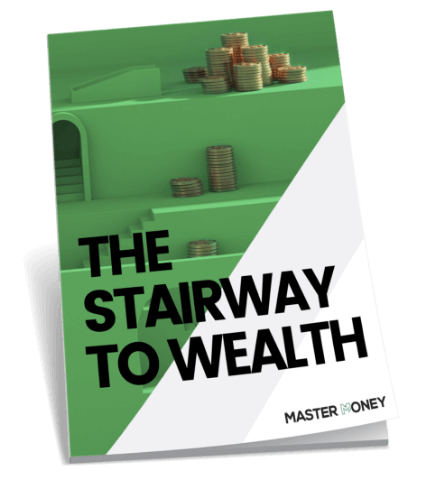
You know there’s power when you invest your money, but you don’t know where to start. Your journey starts here…
Our website address is: https://mastermoney.co.
When visitors leave comments on the site we collect the data shown in the comments form, and also the visitor’s IP address and browser user agent string to help spam detection.
An anonymized string created from your email address (also called a hash) may be provided to the Gravatar service to see if you are using it. The Gravatar service privacy policy is available here: https://automattic.com/privacy/. After approval of your comment, your profile picture is visible to the public in the context of your comment.
If you leave a comment on our site you may opt-in to saving your name, email address and website in cookies. These are for your convenience so that you do not have to fill in your details again when you leave another comment. These cookies will last for one year.
If you visit our login page, we will set a temporary cookie to determine if your browser accepts cookies. This cookie contains no personal data and is discarded when you close your browser.
When you log in, we will also set up several cookies to save your login information and your screen display choices. Login cookies last for two days, and screen options cookies last for a year. If you select “Remember Me”, your login will persist for two weeks. If you log out of your account, the login cookies will be removed.
If you edit or publish an article, an additional cookie will be saved in your browser. This cookie includes no personal data and simply indicates the post ID of the article you just edited. It expires after 1 day.
Articles on this site may include embedded content (e.g. videos, images, articles, etc.). Embedded content from other websites behaves in the exact same way as if the visitor has visited the other website.
These websites may collect data about you, use cookies, embed additional third-party tracking, and monitor your interaction with that embedded content, including tracking your interaction with the embedded content if you have an account and are logged in to that website.
If you request a password reset, your IP address will be included in the reset email.
If you leave a comment, the comment and its metadata are retained indefinitely. This is so we can recognize and approve any follow-up comments automatically instead of holding them in a moderation queue.
For users that register on our website (if any), we also store the personal information they provide in their user profile. All users can see, edit, or delete their personal information at any time (except they cannot change their username). Website administrators can also see and edit that information.
If you have an account on this site, or have left comments, you can request to receive an exported file of the personal data we hold about you, including any data you have provided to us. You can also request that we erase any personal data we hold about you. This does not include any data we are obliged to keep for administrative, legal, or security purposes.
Visitor comments may be checked through an automated spam detection service.